

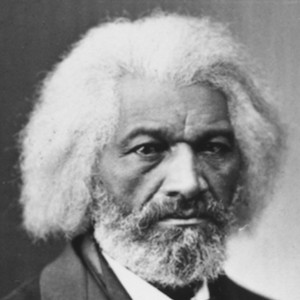
 An ongoing project at Indiana University-Purdue University Indianapolis is documenting the travels and public speeches of Frederick Douglass in a new interactive digital map. The mapping project stems from the Frederick Douglass Papers research unit of the university’s Institute for American Thought. The map, which will be accessible online and available to the public upon completion, lists dates and locations of where Douglass traveled, as well as details about each of his visits.
“The map is a great way to find where the Black community was actually located,” said John Kaufman-McKivigan, director of the Frederick Douglass Papers and the Mary O-Brien Gibson Professor of History. “Douglass traveled to obscure communities and not by accident. He knew where his audience would be, and he became a way to connect the scattered free Black population of the North.”
Currently, both faculty and students in the university’s H300 “The History Lab” course are collecting information for the project. The course teaches students how to conduct research and provides them the opportunity to analyze Douglass’ works and contribute to the mapping project. Additionally, Indiana University-Purdue University Indianapolis has launched the “Hoosiers Reading Frederick Douglass Together” program, which allows students to present their findings on Douglass’ works to the local community.
“The issues that Douglass believed in still have modern-day relevance — things like civil rights, voting rights, personal safety,” said Dr. Kaufman-McKivigan. “Douglass wanted justice in the law and law enforcement, and he was a proponent of women’s rights. He was a big advocate of education and self-reliance. Arguments that Douglass stood for, maybe unfortunately, are still issues that need to be addressed today.”
The university expects the mapping project to be completed next year.