

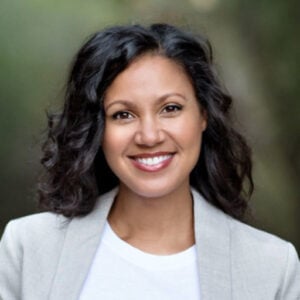
 A new study, conducted by senior author Marilyn D. Thomas of the University of California, San Francisco, and other scholars at the University of Minnesota and Boston University, examines whether attending an HBCU leads to long-term health benefits for Black adults. The study adds to Dr. Thomas’s growing body of research on the health benefits of HBCU attendance. Earlier this year, she published a different study that found attending an HBCU as a young adult may lead to better cognitive health benefits for older Black adults.
For her new study, Dr. Thomas and her co-authors reviewed data from the High School and Beyond study of high school sophomores and seniors recruited in 1980, with the last follow-up survey occurring in 2021. Among a sample of 1,000 Black college-goers at approximately age 60, one-fifth attended an HBCU. Compared to attendance at other colleges, HBCU attendance was associated with moderately reduced risk for obesity among Black adults. HBCU attendees generally had better physical, psychological, and cognitive outcomes.
While this initial analysis showed better health outcomes for Black attendees of HBCUs compared to Black attendees of other colleges, further examination revealed that the association is not statistically significant due to other factors and the study’s small sample size. The authors found that during childhood, HBCU attendees were much more likely than non-HBCU attendees to have higher family income and have plans to attend college.
Nonetheless, the authors say that their findings provide modest evidence that HBCU attendance is associated with improved midlife health outcomes, particularly a lower risk of obesity. They encourage future research to re-examine their findings using a larger study population.
“HBCUs are not a monolith; they vary in demographics, campus culture, curriculum, funding, size, and religiosity, among other institutional aspects. Understanding the impact of specific institutional characteristics would help us develop targeted, scalable interventions (e.g., student services, Pell grants, pedagogical approaches) aimed at improving health over the course of life,” the authors write. “In the current study, data limitations restricted our ability to evaluate such nuances. Future research is tasked with generating more qualitative data on HBCUs and developing theoretical tools to better understand how HBCUs make a difference, be that through institutional characteristics and the culture and practices of instruction within the college.”
Dr. Thomas is an assistant professor of medicine at UC San Francisco’s School of Medicine. She holds a bachelor’s degree in microbiology and a master of public health degree from San Francisco State University and a Ph.D. in epidemiology from the University of California, Berkeley.