

 The Harvard Slavery Remembrance Program (HSRP) recently published an updated database that identifies 1,613 people who were enslaved by university administrators, faculty, or staff or who labored on campus as enslaved individuals between 1636 and 1865.
Led by American Ancestors, a genealogical nonprofit and research partner of the Harvard & the Legacy of Slavery Initiative (H&LS), the HSRP database includes the names, locations, and documented dates of enslaved people as well as the names and positions of the Harvard affiliates who enslaved them. It represents a major expansion from the approximately 70 names of enslaved individuals initially identified in 2022.
 “Harvard and our partners have approached this work thoughtfully, seriously, and with respect for those individuals we are able to identify and the family histories we can help recover,” said Sara Bleich, vice provost for special projects at Harvard and leader of the H&LS initiative. “To expand our research from just over 70 individuals to now 1,613 has taken genealogical expertise on the part of countless researchers. And, while our work is by no means done, this is a big step forward.”
Going forward, Harvard and American Ancestors plan to continue identifying more individuals enslaved by university affiliates and tracing the individuals’ descendants, living or deceased. So far, the research team has identified some 600 living descendants. As the project progresses, researchers will continue sharing new findings with the public.
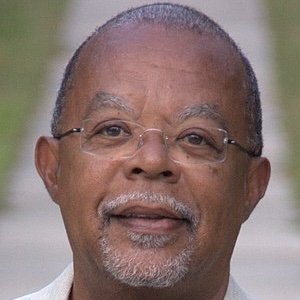 “My hope is that, over time, unflinching self-examination will ripple outward, that Harvard will be a leader not only in scholarship but in demonstrating institutional honesty and humility in confronting the complexities of our institutional past,” said Henry Louis Gates Jr., the Alphonse Fletcher University Professor and director of Harvard’s Hutchins Center for African & African American Research. “Every chapter in history, every family tree, and every institution, has its share of shadows and surprises. The journey isn’t always neat and easy, but it’s a crucial part of self-knowledge — an experience both necessary and transformative.”