

 The University of the District of Columbia (UDC) recently announced the launch of a new master of social work degree. The new program aligns with the Pathways to Behavioral Health Degrees Act of 2023, a D.C. Council-approved initiative that aims to strengthen the local behavioral health workforce and reduce financial barriers for District residents pursuing qualifying degrees at UDC.
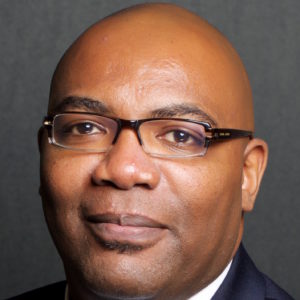 “Our new MSW program reflects exactly what it means for UDC to serve as the District’s public university and workforce engine,” said President Maurice D. Edington. “Aligning what we do as a university with the District’s needs and goals is at the heart of our strategic vision. When District leaders identify a critical workforce need, UDC is ready to be part of the solution. By preparing talented residents for careers in social work and behavioral health, we are not only expanding economic opportunity but also strengthening the network of support services our neighbors, schools, families and communities need to thrive.”
The HBCU’s new graduate program is designed around the challenges and opportunities of social work in urban communities. It requires 900 hours of supervised practicum experience in behavioral health settings, such as schools, hospitals, nonprofits, government agencies, and advocacy organizations. Participating students have the option to pursue specialized tracks in civic and community engagement or trauma prevention, intervention, and recovery, with concentration areas in urban environmental social work, political social work, family and community violence, or substance abuse prevention, intervention, and recovery.
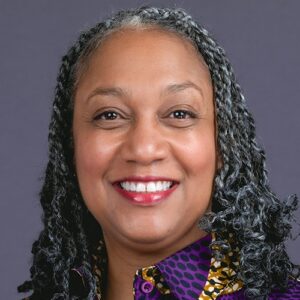 “We have built a program that prepares students to understand social work not in isolation, but in the context of the systems and communities that shape people’s lives,” said Kesslyn Brade Stennis, program director for the new degree. “Our students will explore the many connections between behavioral health, housing, education, policy, community and family systems, while gaining the practical experience necessary to address those issues effectively. Washington, D.C. is not simply where our program is located — it is an essential part of how our students will learn to practice.”