

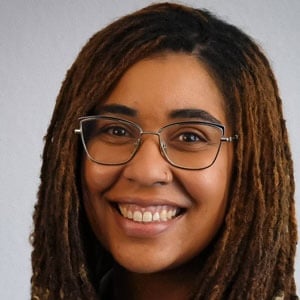
 Brandi Wells-Stone, director of African American student services at the University of New Mexico, is the lead author of new study that explores the experiences of Black students at Hispanic-Serving Institutions (HSIs). Along with her co-authors, Professors Assata Zerai and Teresa Neely of the University of New Mexico, Dr. Wells-Stone found that Black students attending HSIs that are designated as R1 research universities often encounter racism and struggle to belong on campus.
For their study, the research team conducted a survey during the Spring 2025 semester among Black students enrolled at a Hispanic-serving research university in the southwestern United States. Only 31 percent of respondents said they felt their university supports them as a Black student. Notably, the majority of Black students at this university reported both positive and challenging experiences relating to their Black identity, with 62 percent reporting positive racial experiences and 56 percent reporting race-related challenges on campus.
Among respondents who did report challenges relating to their Black identity, several commented on the pervasive use of racial slurs by athletic staff, faculty, and their non-Black peers. Some Black students also described a low representation of other Black students and Black faculty on campus. Furthermore, respondents cited several examples of disparate treatment and exclusion in classrooms and with faculty, as well as instances of bullying, disrespect, physical intimidation, and racial stereotyping.
“Collectively, these findings suggest that the accumulated experiences of anti-Black aggressions at both the interpersonal and organizational levels create an anti-Black environment at the institution, one in which anti-Black aggressions are also carried out by agents of the system and contribute to the undermining of Black student belonging,” the authors write. “As such, anti-Blackness at [the analyzed university] is produced through a culmination of repetitive aggressions towards the Black student population.”
The research team continues, “The inclusion of intentional support for Black students should not be considered in conflict with a ‘Hispanic-serving’ mission, but rather a more inclusive, equitable, and interconnected approach to expanding belonging, access, and resources to all students in which the university is responsible for serving.”
Dr. Wells-Stone received her bachelor’s degree in political science and her master of public administration degree from the University of New Mexico. She holds a doctorate in higher education leadership and administration from New Mexico State University.

How unfortunate that a minority serving institution perpetuates similar hostilities that predominantly white institutions demonstrate on their respective campuses. Another sad example of enslaved minds imitating those that have instilled in them self-hate to treat others in the same way. The fact that the administration has allowed this to occur is shameful, but not too surprising giving that institutions with a Research I status don’t necessarily feel obligated to create a campus climate that is welcoming to everyone.